
Well, once again, the world feels chaotic and overwhelming, doesn’t it? Let’s pray for safety, for our leaders, for our president, for all those in public service. These aren’t easy times.
In the midst of all this, here at St. James we continue to baptize, confirm, and receive new members--fourteen last week, with four baptisms. I think that might set a record here, in recent history anyway. We buried a beloved rector on Tuesday, and then another longstanding member of this parish--generations-long--yesterday. We’re baptizing little Zachary Collins today. I’m so thrilled to be welcoming him and his mother Liz to our St. James family.
I like what Bishop Shin said in last Tuesday’s funeral homily for Father Tom: Christians look at everything through the lens of resurrection. You can look at life through the lens of death, and many do, and that’s an impoverished life. Or you can look at everything, even death, through the lens of life. That’s what we strive to do in the Easter season and beyond. It’s what we do every Sunday, and will keep doing.
---
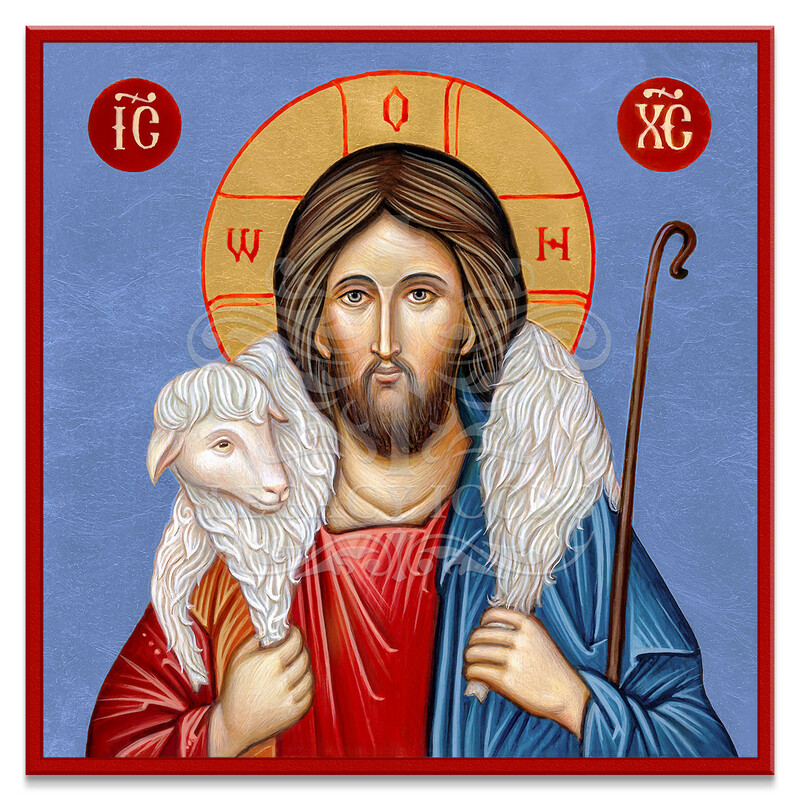
Today is Good Shepherd Sunday, the fourth Sunday of Easter, when we always have these readings--same ones, every year. There are very few Sundays when that happens. It’s the time in the liturgical year when we clergy take a deep breath: Easter Day is behind us, summer is coming, things are starting to calm down in our parishes. It’s been a touchstone for us, Good Shepherd Sunday.
So I love today for that reason, but also for these readings. They don’t get any better. The 23rd Psalm with its comforting image of being led by still waters, through dark valleys but with the assurance, always, of God’s presence with us. I just read this while giving last rites to a neighbor's mother last Sunday night. I’ve read it at many bedsides, and funerals.
There’s the passage from Acts where all the Christians are gathered together as one, taking care of each other, unified in purpose and passion. I call this early Christianity’s “bright faith” moment, using a term from Buddhism that I like: that moment in one’s faith life where all is promise and possibility. You can almost feel the energy of those early Christians in this reading.
Then there’s our Gospel reading, where Jesus describes himself as the Good Shepherd, in the tradition of King David (the author of our Psalm) before him.
I am the Good Shepherd. The sheep know my voice. They will not follow a stranger, the thief, the hired hand, because they do not know the voice of strangers.
We have adult Bible study here every Wednesday, where we always read and discuss the upcoming Sunday texts. One thing I love about that group is that I never know where the discussion will go. Last week, we talked a little bit about animals, and voice. How they recognize our voices when we speak. Even animals we wouldn’t think can engage on that level.
When I gave my flock of chickens away last year, what made me especially sad was knowing they wouldn’t hear the little “bup-bup-bup” that I did every morning when I greeted them. I gave strict instructions to the person who took them on how to make that sound and the importance of it. They would come running faster than I ever knew chickens could run, fluffing up their feathers and making the same sound in return, just at the sound of my voice.
Chickens! Never mind my two dogs, who know my voice. The cat, who knows my voice (though doesn’t seem to care).
Voice is primal that way, right? In utero, the mother’s voice becomes so familiar that it’s the first thing to comfort a baby fresh from the tumult of birth. Moms remember that moment our baby is placed on our breast and hears us cooing, and begins to calm down. I’ve noticed sometimes that adult children sound a lot like a parent - a father or a mother - almost like they’ve taken on their voice and inflection as a form of self comfort.
On the other end of life, hearing seems to outlast the other senses. It’s why I usually say the Lord’s Prayer and the 23rd Psalm at the bedside of someone who’s dying. There may be no recognition on the part of the dying of the outside world, and perhaps not even through hearing, but we don’t know. Words of love, God’s promises in Scripture--these are the last impressions of the world we try to leave our loved ones with. And if nothing else, we just want them to hear our voice, one last time.
But there are voices (we all know) we shouldn’t listen to or follow, those that seek us harm. Jesus warns about those in this passage, too. The voices that don’t have our best interests at heart. We live in a world more full of them than ever. They’re there in the media and on the internet, loud, clanging, and cruel, leading us down unwise paths where we demonize others, rush to judgment and wreck lives. Let’s please train our ears and our hearts to attend to the voices of those who care for us, and above all, the voice of our Shepherd.
----
What I like about the sheep metaphor, of Jesus putting us in the place of animals--and I’ve always liked this in children’s literature, too--is its suggestion that we’re really pretty simple when it comes down to it. And like animals, even chickens, we know instinctively the voice of the one who looks out for us. In other words, recognizing God’s voice may be far less complicated than we think, and only requires a few simple practices: being still, slowing down, choosing wisely those we give our time and attention to.
I’ll come back to where I started: we must be kind to one another, we must keep doing what we do, standing on the side of hope and promise, and also listen to and follow the voice of the one who cares for us and calls us each by name.